AI Safety · Field-Building · Research

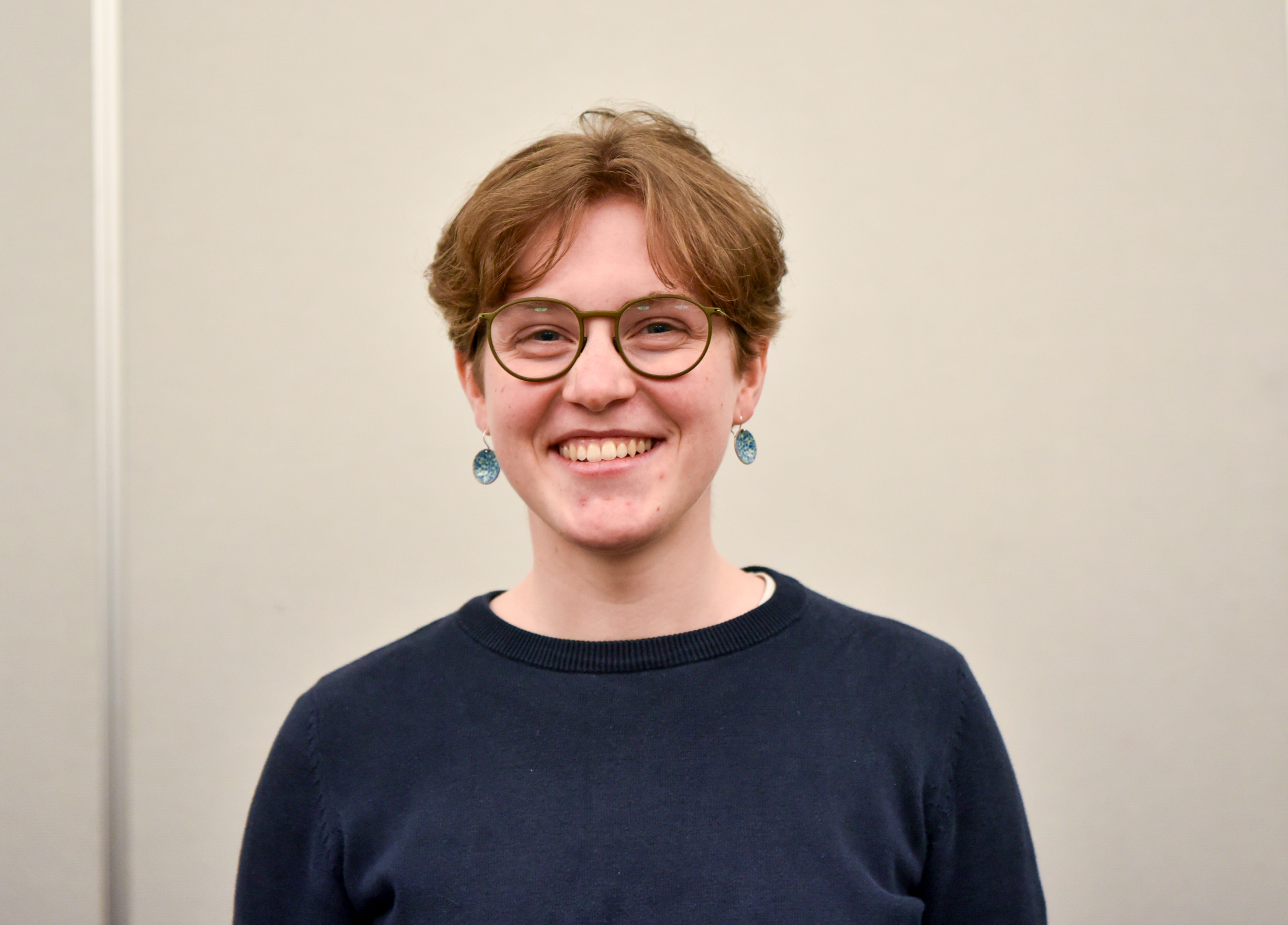
Manon Kempermann

I build and seed AI safety initiatives, educate the general public and people entering the field about AI risks and what they can do, and research where current evaluation and representation engineering approaches fall short. Although I enjoy research for the hard technical thinking it demands, I realised how much more impactful I can be in roles closer to strategy or field-building. As I am about to finish my BSc in Data Science and AI at Saarland University, I am now looking for roles where I can combine both my technical curiosity and my field-builder mindset to make AI go well.

Manon Kempermann

For the past year, I have built AI safety infrastructure in Germany, from founding now one of Europe's largest university groups to designing and managing a national AI safety fellowship.

Safe AI Germany Program Director · SAIGE Incubator

Scaling AI safety research and community across Germany

Many top AI safety researcher come from Germany and Germany still has a huge talent pool. However, within Germany there is barely happening anything and this talent remains untapped. To change that, I co-launched Safe AI Germany (SAIGE) to foster the German AI Safety infrastructure. Under SAIGE, I run a national incubator program pairing early-career researchers and AI safety enthusiasts with mentors on concrete AI safety projects building on the program I ran before at AI Safety Saarland.

  • Designing program structure, requirements and timeline
  • Managing full mentor and mentee recruitment and matching pipeline
    • 21 mentors (63 applications) across Technical AI Safety, AI Governance and Policy, Technical AI Governance, Field-Building and Communications
    • 73 mentees (>200 applications) from all over Germany and all levels of education and experience
  • Providing support, exclusive talks and workshops to mentees to ensure projects run successfully and mentees continue their AI safety career
Read more →
AI Safety Saarland Founder

Building an interdisciplinary AI safety ecosystem at Saarland University

I founded AISS supported through the Pathfinder Fellowship as a student-led initiative fostering interdisciplinary research, education, and exchange around AI safety at Saarland University.

  • Public kick-off (Oct 2025): 300+ attendees, talk by Jan Kirchner (Anthropic)
  • Ran a research incubator with 33 fellows, 14 projects, and 6 weekly discussion groups. This model now became became SAIGE's national program.
  • Now advising AISS leadership team and seeded and supporting sub-initiatives such as the AI Security Team and the Advanced AI Safety Fellowship
Read more →
Public Outreach Speaker · Researcher

AI, democracy, and talking to people outside the field

I give talks and workshops in schools, churches, universities, and civic organisations to communicate what is happening in AI development to the general public and democratize knowledge about AI risks and their implications.

  • “AI and Democracy” – YouTalk at youmocracy e.V. (12/2025)
  • "AI with Democracy" – Workshop at Malteser Saarland (06/2025)
  • “What’s up with AI – Reality, Vision, Responsibility” – Talk at Open Campus Day Saarland University (05/2025)
  • “Let’s talk about AI” – Talk at Landesgymnasium für Hochbegabtenförderung St. Afra zu Meißen (05/2025)
  • “AI for non-Nerds” – Workshop at St. Benno Gymnasium Dresden (05/2025)
  • “Coded Creation – God and AI” – Workshop in Youth Church Eli.ja Saarbrücken (05/2025)
Read more →

Building on what I learned founding AISS, I now mentor AI safety group leaders through the Pathfinder Fellowship and independently. I work with them weekly on strategy, structure, and programming.

I have also advised groups at AaltoAI and Tutke, Lausanne, Nottingham, and Waterloo helping with strategy, outreach, and scaling.


My research focuses on evaluations and representation engineering. I often look at where existing methods fall short or make too simplistic assumptions. For example, I investigated whether linear probes for detecting sycophancy generalise and transfer across languages. I believe that if we want to build robust methods for safer AI, we need a more rigorous science behind AI safety to inform our approaches.

Latest

Challenges of Evaluating LLM Safety for User Welfare

Evaluating the safety of LLM generated advice in high-stakes domains is hard and requires a human-centric approach. We showed that evaluating without context on the user creates an illusion of safety, whereas giving the evaluator the user's background revealed safety gaps strongly mediated by user vulnerability level.

Manon Kempermann, Sai Suresh Macharla Vasu, Mahalakshmi Raveenthiran, Theo Farrell, Ingmar Weber · IASEAI 2026 · arXiv 2512.10687

Publications

Other Research Projects


Before all of this

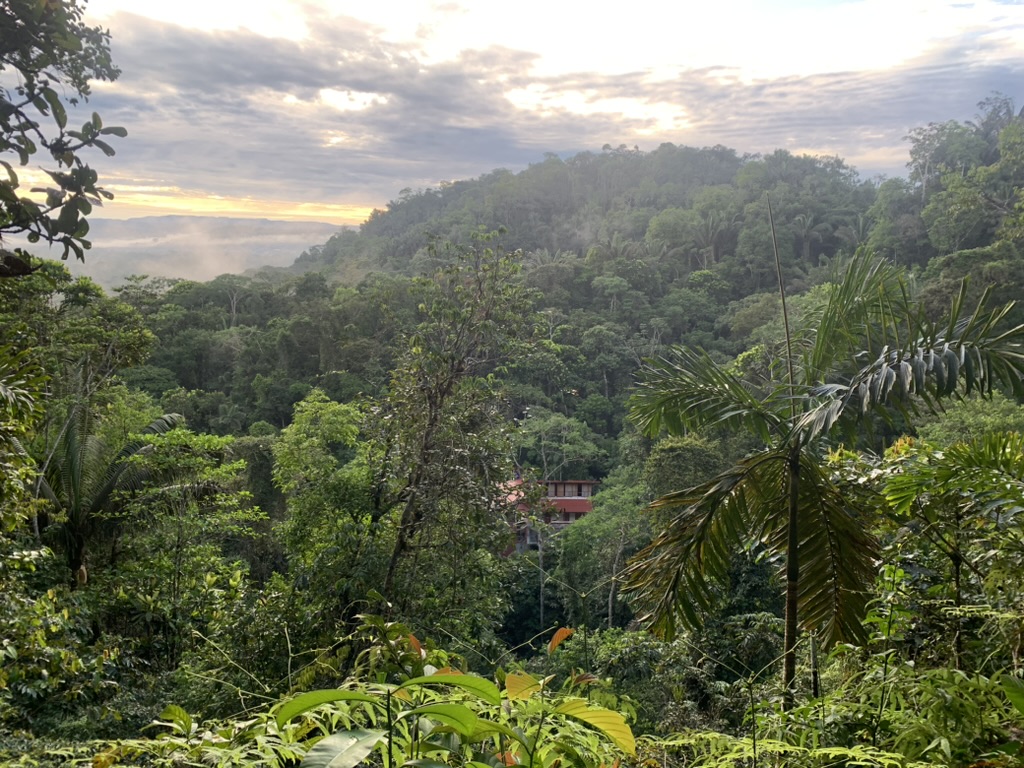
When I was 18, I accidentally ended up leading an educational organisation and the construction of a house in the Ecuadorian Amazon Rainforest

Pakashka Sacha, the home of the organisation

Before I knew anything about AI, I spent a year volunteering with an organisation improving education for marginalised indigenous communities in the rainforest. When my boss stepped away, I found myself leading the organisation and launching a daughter project including the construction of a volunteer house in a remote village. During that time I realised on a deep level why I want to take responsibility in the world and effectively drive change: the education I got and too long took for granted, the financial stability of my family, the social support coming from German Government, the easy access to high-qualitiy healthcare – they are all privileges I have, because of the country and family I was born in. I find it deeply humbling to be in these few percentages of the most privileged people on the planet. Therefore I want to use my resources and capacities for creating a world where humanity can truly flourish and not for only my own benefits. Volunteers still work at the project today and even if it seems disconnected from AI, those experiences made me who I am now.